A Puerto Rican Recipe Journal

Puerto Rican Cooking Without Vegetable Oil

Six dishes cooked the way cocina criolla has always been cooked, with rendered manteca, real olive oil and butter instead of anything from a seed press. Slow fires, honest fat, and a lot of garlic.
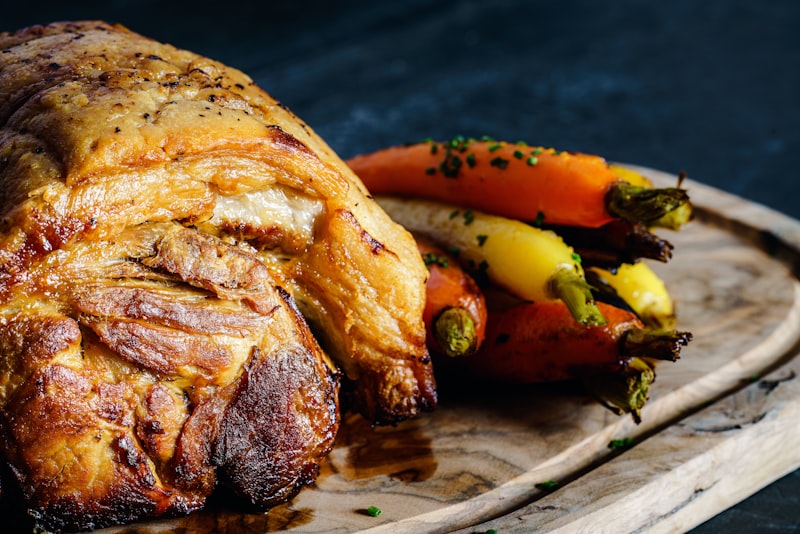
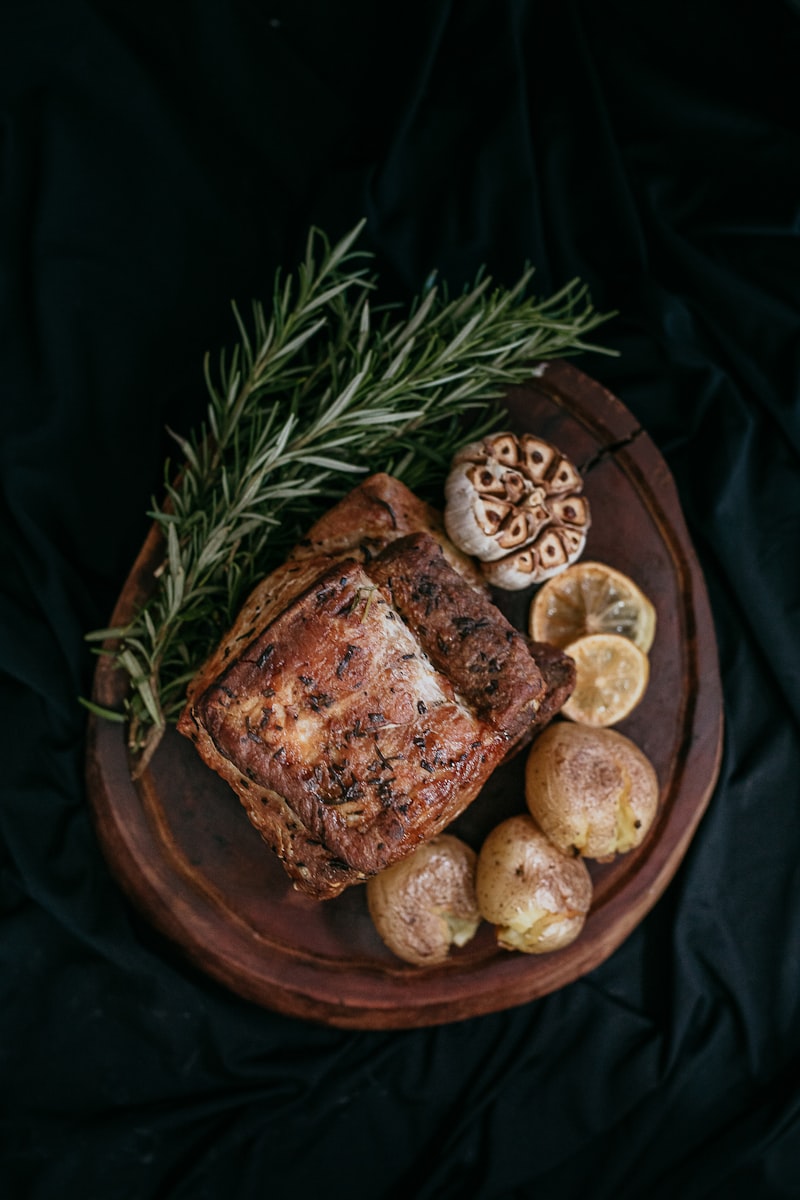
Roasted pork and vegetables resting on a wooden board, ready to serve

Pernil resting after five slow hours in the oven.
Manteca First
Aceite de Oliva Siempre
Never Vegetable Oil

Six Dishes, No Seed Oil

From the Klundo Criolla Kitchen

Every recipe below leans on the fats a Puerto Rican kitchen has always kept on hand. Pick a tab and cook.

Slow roasted pork shoulder plated with crisp skin

Pernil Asado

A whole pork shoulder rubbed with a wet garlic and oregano mojo, then roasted low and slow in its own rendered manteca until the skin turns to cracklin and the meat falls off the bone.

Total Time5 hr 20 min
Serves8
DifficultyIntermediate

Ingredients

  • 1 bone in pork shoulder, about 8 lb, skin on
  • 12 cloves garlic, crushed
  • 2 tbsp dried oregano
  • 1 tbsp whole black peppercorns
  • 2 tbsp coarse sea salt, plus more for the skin
  • 1 tbsp ground cumin
  • 1/3 cup sour orange juice, or lime and orange mixed
  • 2 tbsp white vinegar
  • 2 bay leaves
  • 3 tbsp rendered pork lard (manteca)

Method

  1. The night before, mash the garlic, oregano, peppercorns and salt into a rough paste with a mortar or the flat of a knife.
  2. Stir in the cumin, sour orange juice and vinegar to loosen the paste into a wet mojo.
  3. Pierce the meat all over and work the mojo deep into the cuts and under the skin. Tuck in the bay leaves. Cover and refrigerate overnight.
  4. Bring to room temperature, rub the skin with manteca and a generous layer of coarse salt, and set skin side up in a roasting pan.
  5. Roast low and covered for about 4 hours, until the meat is fork tender.
  6. Uncover, raise the oven heat, and roast a further 30 to 40 minutes until the skin blisters and turns deep golden.
  7. Rest for 20 minutes before slicing, then spoon the pan juices back over the meat.
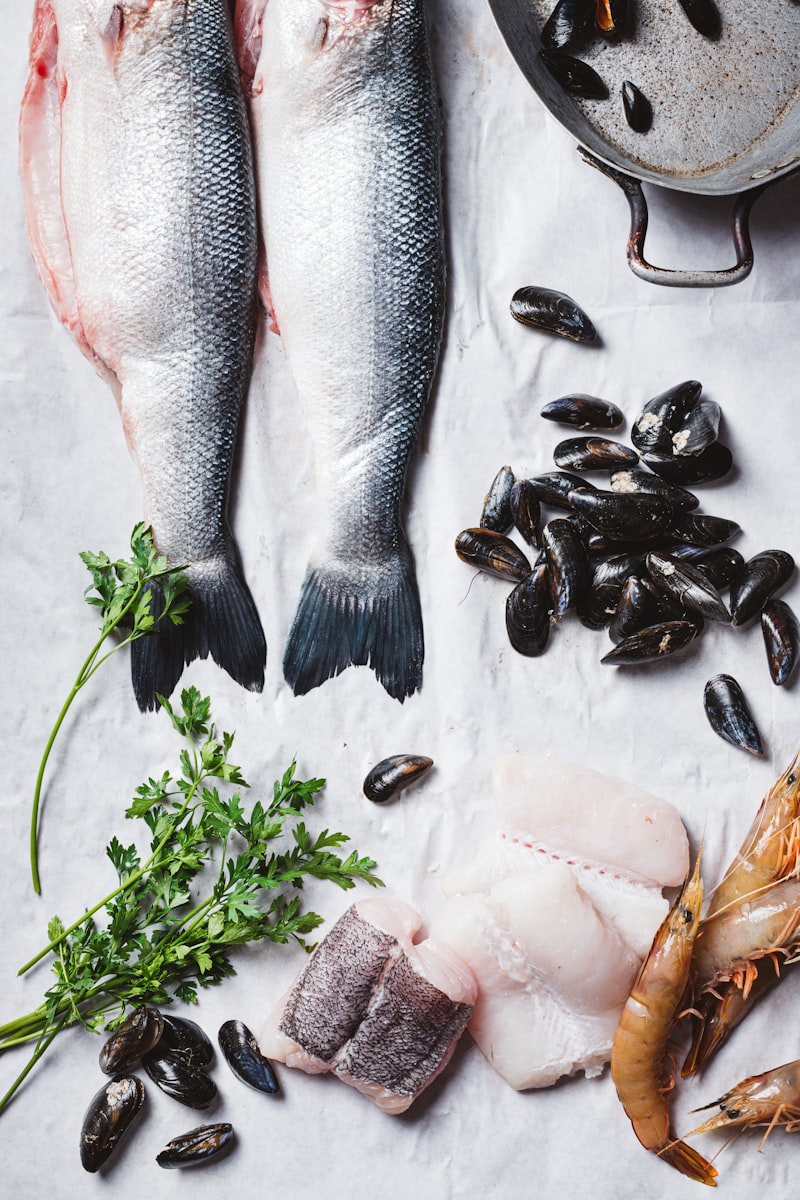
Fresh fish and seafood ready for a Puerto Rican stew

Bacalao Guisado

Salt cod simmered down with a sofrito browned in good olive oil, tomato, olives and potato. A Friday supper dish in most Puerto Rican households, ladled straight over rice.

Total TimeOvernight soak, 45 min cook
Serves4
DifficultyEasy

Ingredients

  • 1 lb dried salt cod
  • 1/4 cup olive oil
  • 1 cup sofrito (onion, bell pepper, garlic, culantro)
  • 1 tsp saz贸n with achiote
  • 1 cup tomato sauce
  • 2 medium potatoes, cubed
  • 1/2 cup pimento stuffed olives
  • 2 tbsp capers
  • 1 bay leaf
  • Black pepper to taste

Method

  1. Soak the salt cod in cold water for 24 hours, changing the water three or four times to draw out the salt.
  2. Drain, then simmer the cod for 10 minutes, cool, and flake into large pieces, discarding skin and bones.
  3. Warm the olive oil in a wide pot and saut茅 the sofrito until soft and fragrant.
  4. Stir in the saz贸n and tomato sauce and let it cook down for a few minutes.
  5. Add the potatoes and enough water to just cover, then simmer until the potatoes are nearly tender.
  6. Fold in the flaked cod, olives, capers and bay leaf, and simmer gently for 10 more minutes.
  7. Taste for salt, since the cod itself carries some, and serve hot over white rice.
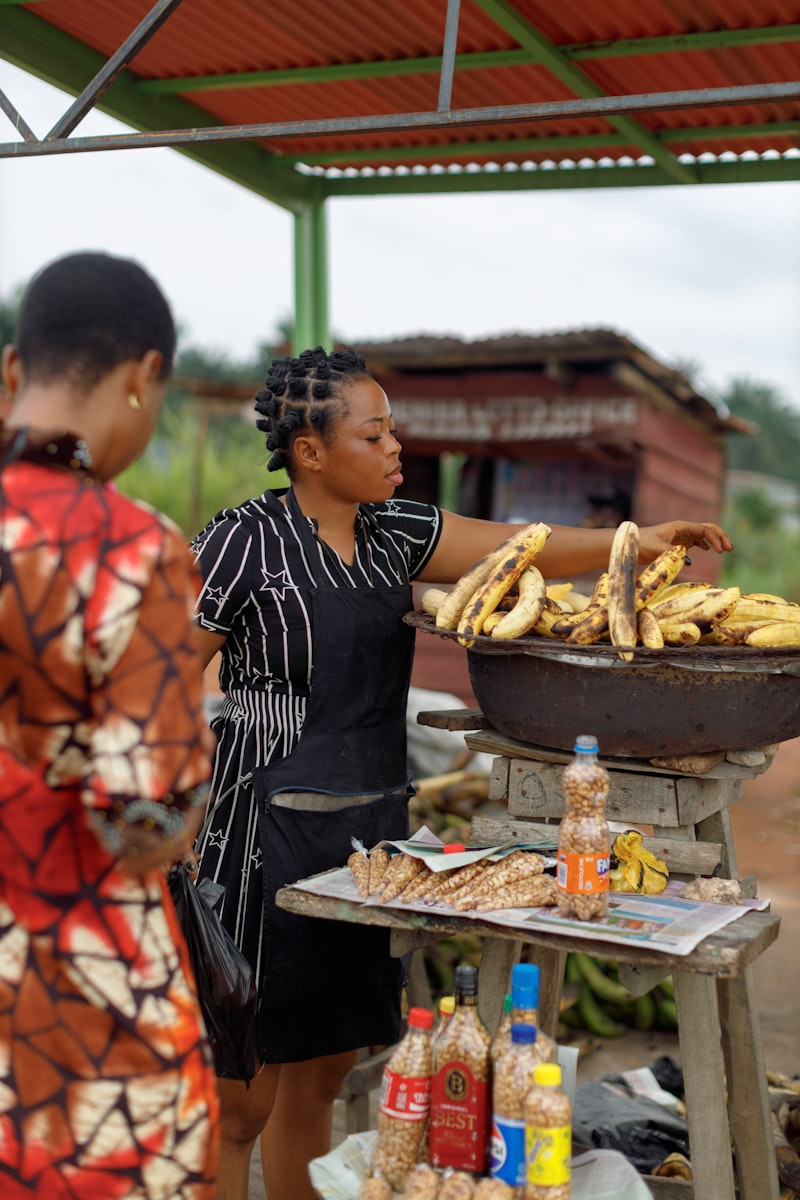
Fried green plantains being prepared the traditional way

Mofongo de Pl谩tano

Green plantains fried in manteca, then pounded in a wooden pil贸n with garlic, olive oil and crisp pork bits until they hold their shape. Served warm, straight from the mortar.

Total Time35 min
Serves4
DifficultyIntermediate

Ingredients

  • 3 large green plantains, peeled and sliced
  • 1 cup rendered pork lard (manteca), for frying
  • 4 cloves garlic
  • 1 tsp coarse salt
  • 3 tbsp olive oil
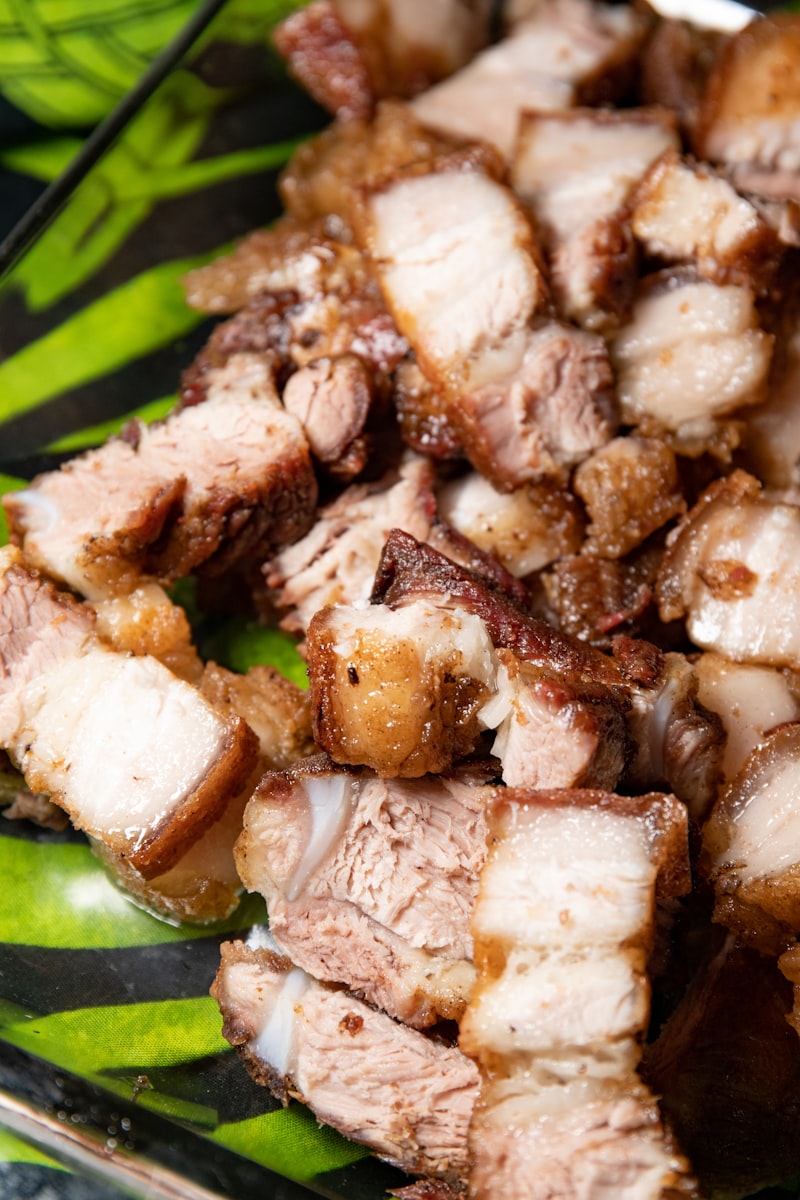
  • 1/2 cup crisp pork cracklings or crisp pork belly, chopped
  • 1/4 cup warm chicken broth
  • Fresh culantro or cilantro leaves, for garnish
  • Black pepper to taste
  • Lime wedges, to serve

Method

  1. Heat the manteca in a deep pan and fry the plantain slices in two batches until golden but not browned. Drain.
  2. Mash the garlic and salt to a paste in a mortar or pil贸n.
  3. Add a few pieces of fried plantain at a time, pounding and folding in the garlic paste, olive oil and pork cracklings.
  4. Loosen the mixture with a splash of warm broth so it holds together but stays soft.
  5. Pack the mash into a small bowl to shape it, then invert onto a plate.
  6. Garnish with culantro and black pepper.
  7. Serve warm with lime wedges on the side.
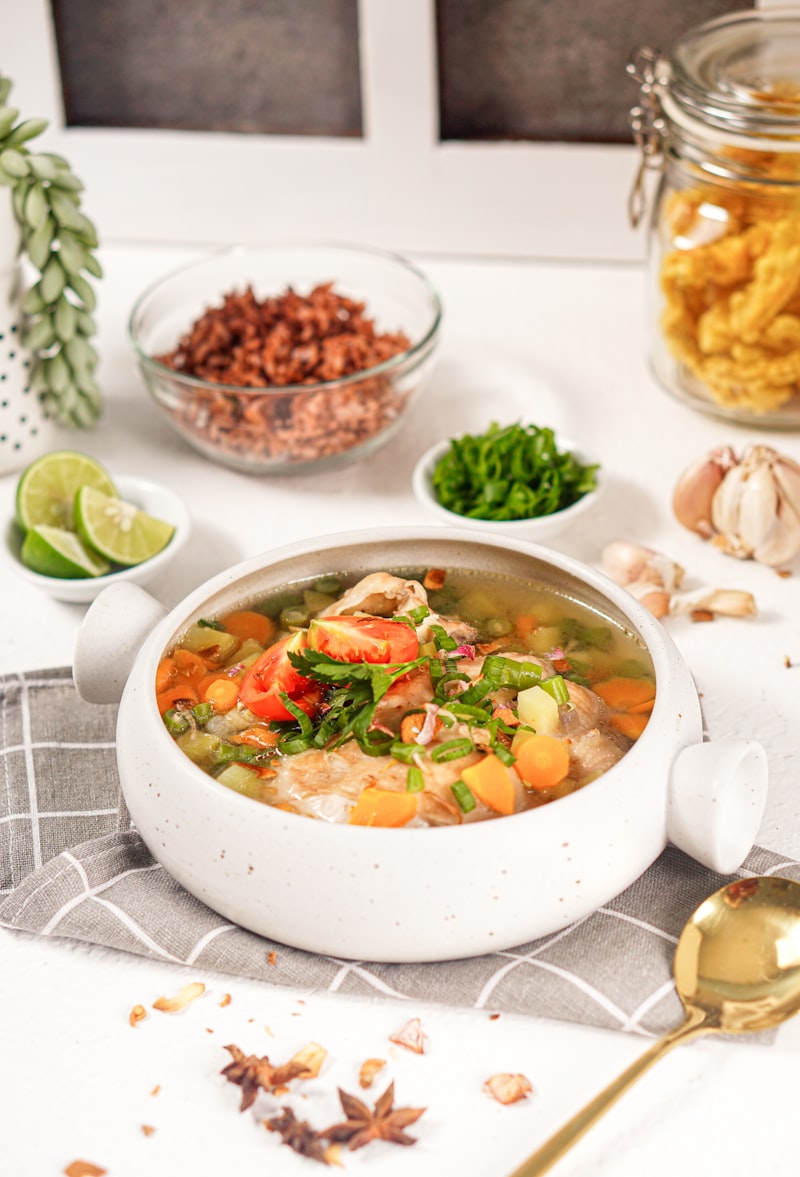
A bowl of chicken and rice soup with lime

Asopao de Pollo

Somewhere between a soup and a risotto, this chicken and rice pot is built on a sofrito browned in olive oil and finished with olives, capers and a scatter of peas.

Total Time1 hr
Serves6
DifficultyEasy

Ingredients

  • 2 lb bone in chicken thighs
  • 3 tbsp olive oil
  • 1 cup sofrito
  • 1 tsp saz贸n with achiote
  • 1/2 cup tomato sauce
  • 6 cups chicken broth
  • 1 cup short grain rice
  • 1/2 cup green olives
  • 2 tbsp capers
  • 1/2 cup green peas, plus roasted red pepper strips to finish

Method

  1. Warm the olive oil in a heavy pot and brown the chicken thighs on both sides. Set aside.
  2. Saut茅 the sofrito in the same pot until soft, then stir in the saz贸n and tomato sauce.
  3. Pour in the broth, return the chicken to the pot, and bring to a simmer.
  4. Add the rice, cover partially, and cook gently for about 20 minutes, stirring now and then.
  5. When the rice is tender and the pot is thick and soupy, fold in the olives and capers.
  6. Stir in the peas in the last few minutes of cooking.
  7. Ladle into bowls and top with roasted red pepper strips.
A rustic loaf of crusty bread on a wooden board

Pan de Agua

The crusty water bread found at every Puerto Rican panader铆a, with a shattering crust and a soft, faintly sweet crumb. Butter goes into the dough, never a poured seed oil.

Total Time3 hr, with proofing
Makes2 loaves
DifficultyIntermediate

Ingredients

  • 4 cups bread flour
  • 1 1/4 cups warm water
  • 2 1/4 tsp active dry yeast
  • 1 tbsp sugar
  • 2 tsp salt
  • 2 tbsp softened butter
  • Cornmeal, for dusting the baking sheet
  • 1 egg white, beaten with a splash of water, for brushing

Method

  1. Stir the yeast and sugar into the warm water and let it stand until foamy, about 8 minutes.
  2. Mix in the flour, salt and softened butter, then knead until smooth and elastic, about 10 minutes.
  3. Cover and let rise in a warm spot until doubled, roughly 1 hour.
  4. Punch down, divide in two, and shape each piece into a long torpedo loaf.
  5. Set the loaves on a cornmeal dusted sheet, score the tops with shallow diagonal cuts, and let rise again for 30 minutes.
  6. Brush with the egg white wash and bake at 425掳F for 22 to 25 minutes, until deep golden and hollow sounding when tapped.
  7. Cool on a rack for at least 15 minutes before slicing.
A creamy coconut pudding set in a glass, dusted with cinnamon

Tembleque de Coco

A trembling coconut milk pudding, thickened with nothing but cornstarch and patience, dusted with cinnamon just before serving. The wildcard on our table and always the first to disappear.

Total Time25 min, plus chilling
Serves6
DifficultyEasy

Ingredients

  • 2 cans coconut milk (about 27 oz total)
  • 2/3 cup cornstarch
  • 1/2 cup sugar
  • 1 cinnamon stick
  • 1/4 tsp salt
  • 1/2 tsp vanilla extract
  • 1 tbsp butter, for greasing the molds
  • Ground cinnamon, for dusting

Method

  1. Whisk the coconut milk, cornstarch, sugar and salt together in a saucepan until smooth.
  2. Add the cinnamon stick and set the pan over low heat.
  3. Cook slowly, stirring constantly, until the mixture thickens into a smooth, glossy pudding, about 12 minutes.
  4. Remove the cinnamon stick and stir in the vanilla.
  5. Grease small molds or ramekins lightly with butter and pour in the pudding.
  6. Chill for at least 3 hours, until fully set.
  7. Unmold onto plates and dust with ground cinnamon before serving.

We started Klundo Criolla because too many recipes labeled Caribbean online lean on flavorless seed oil and call it done. Real cocina criolla was never built that way. It runs on rendered manteca, good olive oil and butter, the fats every kitchen on the island actually keeps by the stove. We write these dishes the way they are cooked at home, unhurried, seasoned by hand, and finished with whatever fat gives the dish its true character.

The Klundo Criolla Kitchen